Chapter 7 – A Marriage Built on Lies
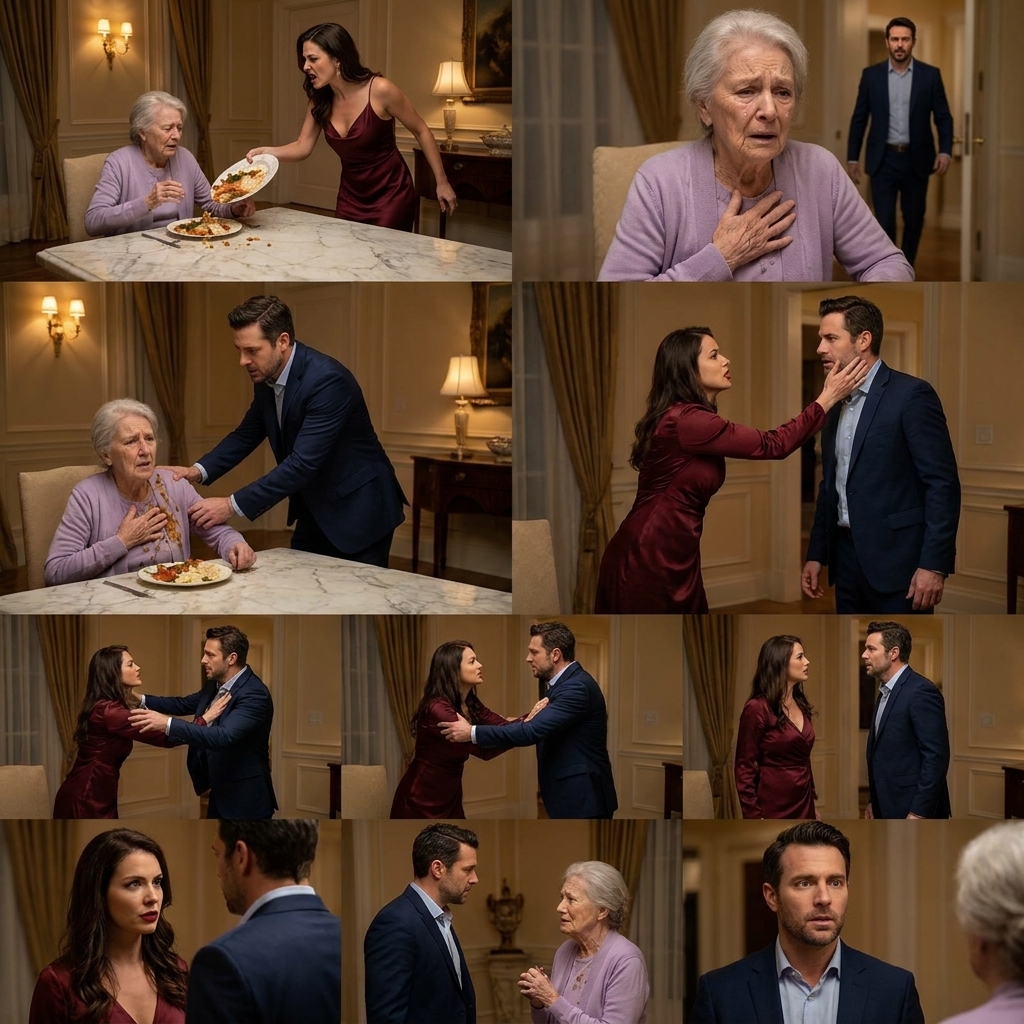
Daniel and Vanessa met in a mediation room with a plain wooden table between them. Their wedding rings lay in separate pockets. Vanessa arrived with her lawyer and a list of practical requests; Daniel arrived with questions he had rehearsed and still could barely say.
He asked whether she had ever loved him. She answered yes, then admitted that love had become entangled with debt and resentment.
“I hated how easily you trusted her when you stopped trusting me.”
Daniel said trust was not a resource she could take from someone else.
The past was not a single locked room with one key. It was a corridor of decisions made by people who had been frightened, ambitious, loving, selfish, or simply mistaken. One revelation might explain a decision without forgiving it.
Another might overturn an accusation while leaving the harm intact. The family would need more than a dramatic confession to repair what had been broken. It would need patience, boundaries, and a willingness to let consequences remain real.
What unsettled Daniel most about the mediation was the contrast between what could be seen and what had to be inferred. A gesture might look deliberate from one angle and accidental from another. A document might carry an authentic signature but still record a false statement. “We need to check that,” came the quiet reply.
Nobody liked the delay. Yet the pause protected them from repeating the very mistakes that had allowed the secret to survive. They began to understand that care and certainty were not the same thing.
Vanessa described the first envelope Mercer delivered: a photograph of Margaret outside the hospital, a birth date, and a claim that Thomas had not been Daniel’s biological father. Mercer had promised evidence if Vanessa kept Margaret from talking to Daniel. Each month Vanessa accepted another payment and told herself she was protecting her marriage from a painful secret.
Eventually she was protecting only the payments.
“I could have asked you. I chose to hide.”
It was the first honest sentence Daniel had heard from her in weeks.
Nothing in the room announced that a decision was being made. There was no music, no audience waiting for the right line, no certainty that the choice would be rewarded. There were only people looking at one another and deciding whether to repeat a familiar pattern.
Sometimes the brave act was to leave. Sometimes it was to stay and listen. Sometimes it was to admit that an answer had not yet been earned.
For a moment Margaret considered the easier story, the one in which a single villain explained every wound and a single discovery healed them all. Life refused to cooperate. the fraudulent transfers involved people whose motives changed over time, and actions whose consequences spread far beyond the original intention. “It isn’t that simple,” came an answer that sounded almost like a plea. “Then help me understand the complicated part,” Margaret replied. That invitation was difficult to accept.
It offered no guarantee of forgiveness, only the possibility of being heard.
Daniel learned the family company had suffered unexplained withdrawals. His finance director traced the transfers to a vendor account authorized with Daniel’s digital signature. Daniel had approved the vendor years earlier but not the recent payments.
Vanessa admitted she had copied an authentication code from his phone. Daniel called the bank and his attorney. He refused to let the revelation distract from his mother’s treatment.
“There will be consequences for both things.”
Vanessa lowered her eyes, no longer able to separate the damage into convenient pieces.
For years the family had treated difficult conversations as something to postpone until the timing was better. The timing never improved on its own. Every delay required another explanation, another change of subject, another polite smile across a table.
What had begun as a decision made under pressure slowly became the architecture of their lives. Now the architecture was cracking. No one could say with confidence which wall would fall next, only that pretending not to hear the noise would not make the house safe.
What unsettled Vanessa most about accountability without revenge was the contrast between what could be seen and what had to be inferred. A gesture might look deliberate from one angle and accidental from another. A document might carry an authentic signature but still record a false statement. “We need to check that,” came the quiet reply.
Nobody liked the delay. Yet the pause protected them from repeating the very mistakes that had allowed the secret to survive. They began to understand that care and certainty were not the same thing.
At Rosa’s sister’s house, Margaret received a letter from Vanessa. It contained no demand for forgiveness, only a detailed account of the days she had withheld medication and restricted visitors. Margaret read it twice and placed it beside her cup of tea.
She told Rosa that an apology could be sincere and still not restore trust. Rosa agreed. They discussed whether Margaret wanted to report the mistreatment formally.
“I want to stop being afraid in my own home.”
The decision felt more important than any argument about family reputation.
Daniel had spent much of his adult life solving problems by moving quickly. In business, a delayed decision could cost money; in a crisis, hesitation could be dangerous. But families did not respond to pressure like balance sheets.
A person might tell the truth in pieces because the whole truth was too painful to hold at once. He was learning to separate urgency from impatience. He could demand safety immediately while allowing evidence to emerge at the pace it required.
For a moment Daniel considered the easier story, the one in which a single villain explained every wound and a single discovery healed them all. Life refused to cooperate. the mediation involved people whose motives changed over time, and actions whose consequences spread far beyond the original intention. “It isn’t that simple,” came an answer that sounded almost like a plea. “Then help me understand the complicated part,” Daniel replied. That invitation was difficult to accept.
It offered no guarantee of forgiveness, only the possibility of being heard.
Daniel’s friend Marcus, a public defender, warned him not to turn every new discovery into a verdict. The hospital scandal, Vanessa’s financial fraud, and Margaret’s birth secret overlapped, but they were not identical. Daniel spent an afternoon making three timelines, one for each thread.
On the page, gaps appeared where he had assumed motives without evidence. He crossed out two accusations and wrote questions instead.
“I need to know what happened, not just who to blame.”
Marcus said that was the beginning of a useful investigation.
Vanessa told herself that she had been pushed into a corner, and sometimes she almost believed it. But a corner was not a hand that reached for someone else. Each cruel choice had required a separate moment of permission, a chance to stop, and a decision to continue.
The distinction frightened her because it left room for responsibility. She could point to debts, threats, and old wounds; none of them had moved her hands for her.
What unsettled Margaret most about the fraudulent transfers was the contrast between what could be seen and what had to be inferred. A gesture might look deliberate from one angle and accidental from another. A document might carry an authentic signature but still record a false statement. “We need to check that,” came the quiet reply.
Nobody liked the delay. Yet the pause protected them from repeating the very mistakes that had allowed the secret to survive. They began to understand that care and certainty were not the same thing.
That night Vanessa called to say Mercer had threatened her younger brother if she cooperated. Daniel believed the fear in her voice but would not agree to meet secretly. He urged her to tell her attorney and the police.
She accused him of abandoning her, then stopped herself. After a long silence she gave him the location of a storage unit Mercer had used to hide old files.
“I am finally giving you something without asking for a price.”
Daniel hoped the choice was real, but he checked it carefully.
There were moments when silence was not an evasion but an effort to keep from saying something irreversible. Daniel began to recognize the difference in himself. He could feel anger rising, could imagine a devastating reply, and could choose to ask another question instead.
That choice did not make him weak. It made room for the person opposite him to answer without first defending against a fresh injury.
For a moment Daniel considered the easier story, the one in which a single villain explained every wound and a single discovery healed them all. Life refused to cooperate. accountability without revenge involved people whose motives changed over time, and actions whose consequences spread far beyond the original intention. “It isn’t that simple,” came an answer that sounded almost like a plea. “Then help me understand the complicated part,” Daniel replied. That invitation was difficult to accept.
It offered no guarantee of forgiveness, only the possibility of being heard.