Chapter 9 – The DNA Results
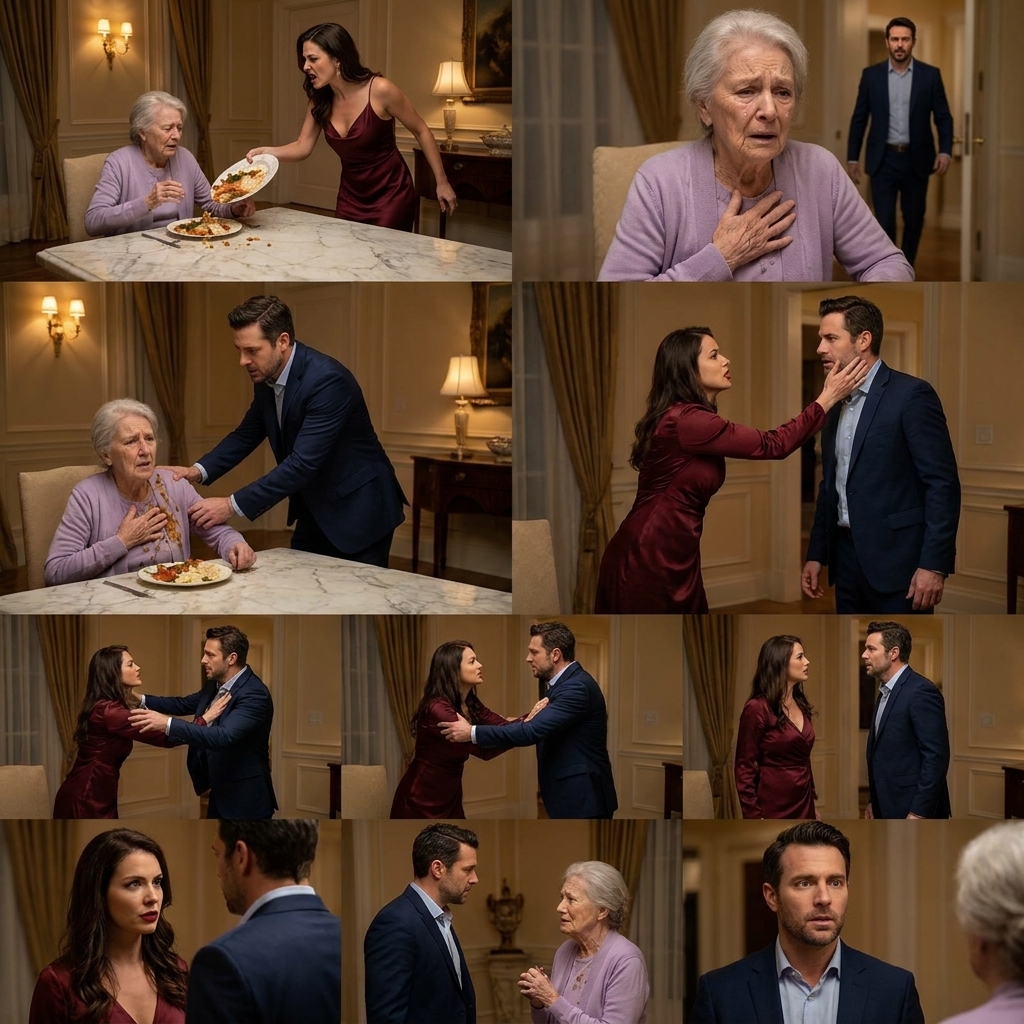
The independent clinic required consent, identity verification, and patience. Daniel and Vale provided samples under documented procedures. Margaret sat beside Daniel during the appointment, her hands folded around a paper cup.
No one pretended the result would decide who had loved or raised him. Still, Daniel could feel the old story rearranging itself with every minute that passed.
“Whatever the report says, Thomas was my dad.”
Margaret nodded because she had needed to hear it aloud.
Daniel had spent much of his adult life solving problems by moving quickly. In business, a delayed decision could cost money; in a crisis, hesitation could be dangerous. But families did not respond to pressure like balance sheets.
A person might tell the truth in pieces because the whole truth was too painful to hold at once. He was learning to separate urgency from impatience. He could demand safety immediately while allowing evidence to emerge at the pace it required.
The consequences of the independent test extended beyond the people directly involved. Rosa had noticed changes. Friends had stopped being invited.
Appointments had been canceled with explanations that sounded reasonable until compared side by side. “I should have asked more questions,” one person said. The reply was gentle but firm: “Ask them now.” Regret could become another form of hiding if it never led to action. They made a list of what could be verified, whom they could contact, and which conversations should happen with a witness present.
While they waited, the authorities reviewed the storage-unit documents. Investigators found evidence that Mercer’s foundation had billed families for confidential genetic services without proper authorization. Several forms had been altered, and at least one report had been assembled from pages belonging to different patients.
The inquiry was broader than Daniel’s family. He felt anger for strangers whose names he would never know.
“This was never only about us.”
The investigator told him that was precisely why the records mattered.
Vanessa told herself that she had been pushed into a corner, and sometimes she almost believed it. But a corner was not a hand that reached for someone else. Each cruel choice had required a separate moment of permission, a chance to stop, and a decision to continue.
The distinction frightened her because it left room for responsibility. She could point to debts, threats, and old wounds; none of them had moved her hands for her.
The subject of the foundation investigation returned whenever the conversation threatened to drift into safer territory. Margaret could hear how carefully everyone chose their words. The room contained more than an argument: it contained the accumulated weight of things that had not been said at the right time. “Tell me what you actually saw,” someone finally asked.
It was a better question than “Whose side are you on?” The answer did not settle the dispute, but it gave them one solid place to stand. They wrote down the detail rather than trusting that emotion would preserve it accurately.
Vanessa gave a formal statement about Mercer’s payments and threats. Her attorney warned that cooperation would not erase her own conduct. She understood.
She also agreed to return money taken from Daniel’s company and to document every account she had accessed. When she saw Margaret at the courthouse, she stopped several feet away and did not ask to approach.
“I am sorry for what I did to you.”
Margaret answered that she had heard the words and needed time.
There were moments when silence was not an evasion but an effort to keep from saying something irreversible. Daniel began to recognize the difference in himself. He could feel anger rising, could imagine a devastating reply, and could choose to ask another question instead.
That choice did not make him weak. It made room for the person opposite him to answer without first defending against a fresh injury.
The consequences of the distinction between biology and family extended beyond the people directly involved. Rosa had noticed changes. Friends had stopped being invited.
Appointments had been canceled with explanations that sounded reasonable until compared side by side. “I should have asked more questions,” one person said. The reply was gentle but firm: “Ask them now.” Regret could become another form of hiding if it never led to action. They made a list of what could be verified, whom they could contact, and which conversations should happen with a witness present.
The lab report arrived on a rainy Thursday. Daniel opened it in the presence of his mother and a genetic counselor. The result established a biological relationship with Adrian Vale.
It did not explain every forged document or why Mercer had manipulated the records, but it resolved the question that had hung over Daniel since the dining-room confrontation. Daniel stared at the page, surprised by the absence of triumph.
“So he is my biological father.”
Margaret reached for his hand without trying to steer what he felt.
The past was not a single locked room with one key. It was a corridor of decisions made by people who had been frightened, ambitious, loving, selfish, or simply mistaken. One revelation might explain a decision without forgiving it.
Another might overturn an accusation while leaving the harm intact. The family would need more than a dramatic confession to repair what had been broken. It would need patience, boundaries, and a willingness to let consequences remain real.
The subject of the independent test returned whenever the conversation threatened to drift into safer territory. Daniel could hear how carefully everyone chose their words. The room contained more than an argument: it contained the accumulated weight of things that had not been said at the right time. “Tell me what you actually saw,” someone finally asked.
It was a better question than “Whose side are you on?” The answer did not settle the dispute, but it gave them one solid place to stand. They wrote down the detail rather than trusting that emotion would preserve it accurately.
Vale asked Daniel whether they could meet without lawyers or medical records between them. Daniel agreed to a walk by the river, not a reunion staged for anyone else’s comfort. Vale described the letters he had sent Margaret and the career he had lost after challenging Mercer.
Daniel listened, then asked why Vale had not searched harder. Vale admitted that shame had made him accept uncertainty.
“I cannot give you back the years.”
Daniel said he was not asking him to.
Nothing in the room announced that a decision was being made. There was no music, no audience waiting for the right line, no certainty that the choice would be rewarded. There were only people looking at one another and deciding whether to repeat a familiar pattern.
Sometimes the brave act was to leave. Sometimes it was to stay and listen. Sometimes it was to admit that an answer had not yet been earned.
The consequences of the foundation investigation extended beyond the people directly involved. Rosa had noticed changes. Friends had stopped being invited.
Appointments had been canceled with explanations that sounded reasonable until compared side by side. “I should have asked more questions,” one person said. The reply was gentle but firm: “Ask them now.” Regret could become another form of hiding if it never led to action. They made a list of what could be verified, whom they could contact, and which conversations should happen with a witness present.
Mercer was questioned about the forged reports. He claimed he had only followed orders from the foundation trustees, but the ledgers told a different story. A journalist contacted Daniel for comment.
He declined to turn his mother’s suffering into a headline. That evening he visited Thomas’s grave and told the man who had raised him about the test. He stayed until the rain stopped.
“You are still my father.”
The words were simple enough to survive every document.
For years the family had treated difficult conversations as something to postpone until the timing was better. The timing never improved on its own. Every delay required another explanation, another change of subject, another polite smile across a table.
What had begun as a decision made under pressure slowly became the architecture of their lives. Now the architecture was cracking. No one could say with confidence which wall would fall next, only that pretending not to hear the noise would not make the house safe.
The subject of the distinction between biology and family returned whenever the conversation threatened to drift into safer territory. Daniel could hear how carefully everyone chose their words. The room contained more than an argument: it contained the accumulated weight of things that had not been said at the right time. “Tell me what you actually saw,” someone finally asked.
It was a better question than “Whose side are you on?” The answer did not settle the dispute, but it gave them one solid place to stand. They wrote down the detail rather than trusting that emotion would preserve it accurately.