Chapter 5 – Vanessa’s Secret Deal
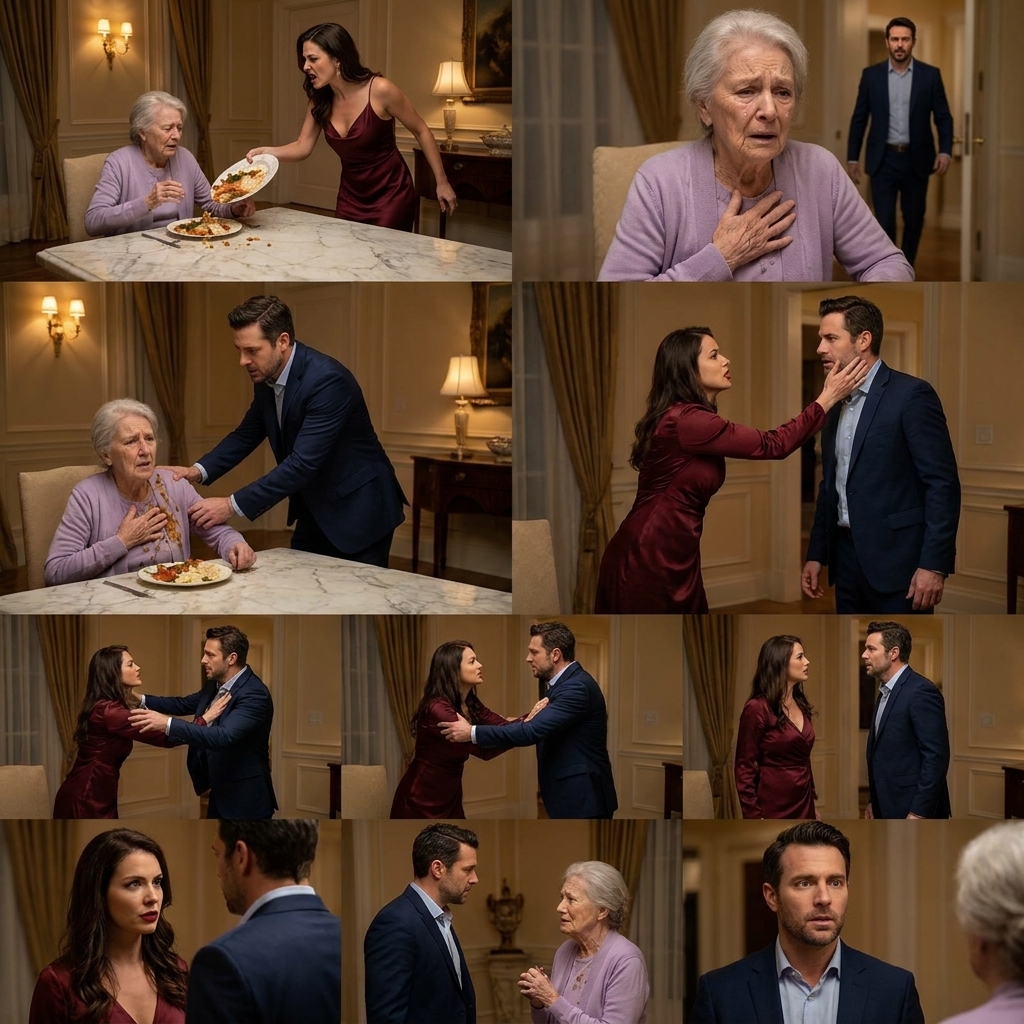
Vanessa had not married Daniel to uncover his birth story. In the beginning she had loved his quick laugh, his loyalty to his mother, and the quiet confidence he carried without showing off. The trouble began after her father’s business collapsed and creditors started calling.
She borrowed money in secret, convinced she could repair the damage before Daniel learned. Paul Mercer offered a loan with conditions she barely read.
“It was supposed to be temporary.”
She repeated that phrase whenever the truth became unbearable.
Daniel had spent much of his adult life solving problems by moving quickly. In business, a delayed decision could cost money; in a crisis, hesitation could be dangerous. But families did not respond to pressure like balance sheets.
A person might tell the truth in pieces because the whole truth was too painful to hold at once. He was learning to separate urgency from impatience. He could demand safety immediately while allowing evidence to emerge at the pace it required.
There was an almost physical urge to do something immediately about Mercer’s payments. Make a call. Drive somewhere.
Demand an explanation from the person least likely to give one. Daniel held back long enough to consider what would happen afterward. “If we rush, we give them a reason to say we’re confused,” someone observed. The warning was practical, not timid.
The family had already lost too much to choices made in panic. This time they would keep copies, confirm dates, and make sure the vulnerable person in the story was not forgotten while everyone chased the secret.
Mercer met Vanessa in a hotel lounge, far from the mansion. He was older, immaculately dressed, and careful to sit where he could see the entrance. He told her Daniel’s investigation could ruin people who had built respectable lives.
Vanessa asked whether he was Daniel’s biological father. Mercer smiled without answering. Instead he placed an envelope on the table containing photographs of her signed loan documents.
“You were paid to keep him distracted, not to improvise.”
Vanessa felt the trap tighten around every choice she had made.
Vanessa told herself that she had been pushed into a corner, and sometimes she almost believed it. But a corner was not a hand that reached for someone else. Each cruel choice had required a separate moment of permission, a chance to stop, and a decision to continue.
The distinction frightened her because it left room for responsibility. She could point to debts, threats, and old wounds; none of them had moved her hands for her.
Later, Margaret would remember an unremarkable detail from the scene: the faint hum of the air conditioner, the edge of a paper against a thumb, the way a voice dropped when the speaker realized someone was listening. That detail would stay when the louder words faded. “I don’t want another version made to sound better,” Margaret said. “I want what happened.” It was an awkward demand, because honest accounts rarely arrived in neat order. But awkwardness was preferable to another beautiful lie.
Daniel’s lawyer uncovered a series of transfers from Mercer’s consultancy to a company Vanessa controlled. The dates matched weeks when Margaret had reported missing letters and changed appointments. Daniel confronted Vanessa with bank statements in the presence of counsel.
She admitted accepting money, but insisted she had not known the full purpose. Daniel asked why she had treated his mother cruelly if she believed herself innocent.
“I wanted her to tell me what she knew.”
He told her fear did not excuse what she had done.
There were moments when silence was not an evasion but an effort to keep from saying something irreversible. Daniel began to recognize the difference in himself. He could feel anger rising, could imagine a devastating reply, and could choose to ask another question instead.
That choice did not make him weak. It made room for the person opposite him to answer without first defending against a fresh injury.
There was an almost physical urge to do something immediately about the cost of manipulation. Make a call. Drive somewhere.
Demand an explanation from the person least likely to give one. Vanessa held back long enough to consider what would happen afterward. “If we rush, we give them a reason to say we’re confused,” someone observed. The warning was practical, not timid.
The family had already lost too much to choices made in panic. This time they would keep copies, confirm dates, and make sure the vulnerable person in the story was not forgotten while everyone chased the secret.
Rosa remembered a night when Vanessa searched Margaret’s bedroom while the older woman was at church. She had found a small envelope labeled For Daniel, then hidden it inside a cookbook. Daniel recovered the envelope from the kitchen shelf.
Inside was a photograph of Thomas beside a young man whose face had been partly torn away. On the back, Margaret had written only one date and the word bridge.
“She kept moving it because she knew I was looking.”
Rosa refused to let the confession become an excuse.
The past was not a single locked room with one key. It was a corridor of decisions made by people who had been frightened, ambitious, loving, selfish, or simply mistaken. One revelation might explain a decision without forgiving it.
Another might overturn an accusation while leaving the harm intact. The family would need more than a dramatic confession to repair what had been broken. It would need patience, boundaries, and a willingness to let consequences remain real.
Later, Daniel would remember an unremarkable detail from the scene: the faint hum of the air conditioner, the edge of a paper against a thumb, the way a voice dropped when the speaker realized someone was listening. That detail would stay when the louder words faded. “I don’t want another version made to sound better,” Daniel said. “I want what happened.” It was an awkward demand, because honest accounts rarely arrived in neat order. But awkwardness was preferable to another beautiful lie.
Mercer sent Daniel a message offering to settle the family dispute privately. The meeting place was a warehouse near the river. Daniel informed his attorney and chose not to go alone.
When Mercer arrived, he seemed surprised to find a lawyer and a former detective waiting with Daniel. He spoke politely about confidentiality, then admitted the hospital had faced a scandal that might have destroyed its funding.
“You are asking the wrong question about your father.”
Daniel asked him to name the right one.
Nothing in the room announced that a decision was being made. There was no music, no audience waiting for the right line, no certainty that the choice would be rewarded. There were only people looking at one another and deciding whether to repeat a familiar pattern.
Sometimes the brave act was to leave. Sometimes it was to stay and listen. Sometimes it was to admit that an answer had not yet been earned.
There was an almost physical urge to do something immediately about Vanessa’s debts. Make a call. Drive somewhere.
Demand an explanation from the person least likely to give one. Margaret held back long enough to consider what would happen afterward. “If we rush, we give them a reason to say we’re confused,” someone observed. The warning was practical, not timid.
The family had already lost too much to choices made in panic. This time they would keep copies, confirm dates, and make sure the vulnerable person in the story was not forgotten while everyone chased the secret.
Vanessa returned to the empty mansion to collect her belongings. In the nursery Daniel had once planned for their future children, she found a photograph of their wedding day. She had been smiling without calculation then.
For a moment she considered telling Daniel everything Mercer had said. Instead she left a voice message containing the name of a riverside bridge and a warning that Mercer had lied about the storm.
“I am not asking you to forgive me.”
She ended the call before she could ask for anything else.
For years the family had treated difficult conversations as something to postpone until the timing was better. The timing never improved on its own. Every delay required another explanation, another change of subject, another polite smile across a table.
What had begun as a decision made under pressure slowly became the architecture of their lives. Now the architecture was cracking. No one could say with confidence which wall would fall next, only that pretending not to hear the noise would not make the house safe.
Later, Daniel would remember an unremarkable detail from the scene: the faint hum of the air conditioner, the edge of a paper against a thumb, the way a voice dropped when the speaker realized someone was listening. That detail would stay when the louder words faded. “I don’t want another version made to sound better,” Daniel said. “I want what happened.” It was an awkward demand, because honest accounts rarely arrived in neat order. But awkwardness was preferable to another beautiful lie.