Chapter 9 – Chapter 9 – The Final Letter From Daniel Hayes and the Truth About the Family Fortune
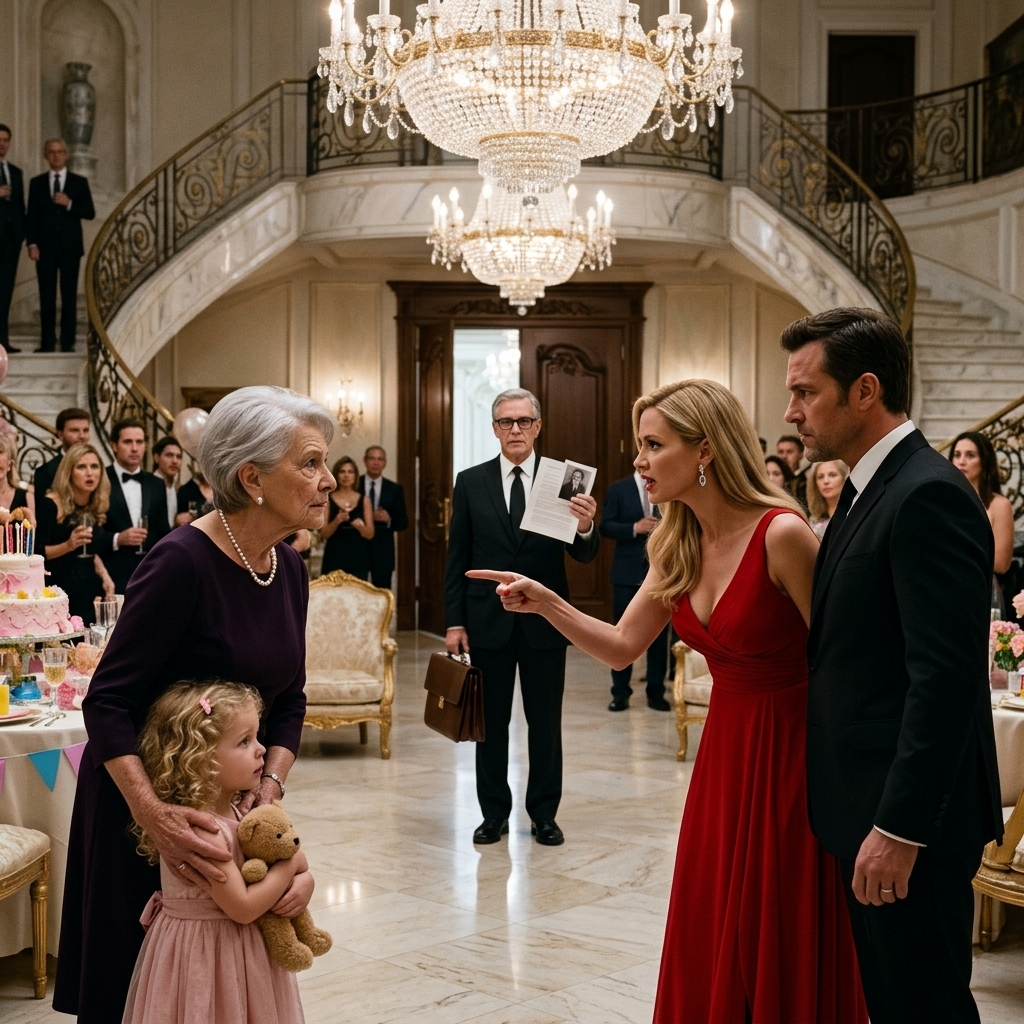
The court’s decision changed the legal ownership of the mansion, but it did not immediately change the people who lived in its shadow. Margaret returned to the property with a court officer and a locksmith. The staff had been instructed to cooperate, and the doors opened without resistance. Still, as she stepped into the marble foyer, she felt no triumph. She remembered Emma crying in her arms, the sound of glass breaking, and Robert raising the bat.
The mansion belonged to her now, but she did not want it to become a monument to revenge.
Collins met her in Daniel’s old study. The room had been sealed during the investigation. Dana had completed an inventory of the remaining papers, and the court had authorized Margaret to review the personal correspondence that was not part of the financial evidence.
The sealed envelope for Emma lay on the desk. Margaret recognized Daniel’s handwriting. Beneath it was another smaller envelope addressed to Margaret herself.
She opened her own letter first.
Daniel wrote that he had known the family fortune was being mismanaged long before his death. Charles had moved money through shell companies and used charitable foundations to disguise transfers. Daniel had discovered the scheme, but by then Charles had built alliances with people who feared public exposure. Daniel had decided to leave the mansion and the trust arrangements to Margaret and Emma because he wanted the family’s remaining wealth to serve people rather than protect reputations.
He also disclosed that the estate held a separate education fund for the children of long-serving employees. It had been created years earlier, but Charles had quietly stopped contributing to it. Daniel had restarted the fund and placed it under independent administration.
Margaret read the letter twice.
“He wanted the money to do some good,” she said.
Collins nodded. “That was his final instruction.”
“What about the money Charles took?”
“The investigation is ongoing. Some assets have been located. Others may never be recovered.”
Margaret looked at the bookshelves. “Then we use what remains wisely.”
Collins placed Emma’s envelope beside her. “You do not need to give it to her until she is older.”
Margaret slid it into a small wooden box. She would keep it safe, along with Lily’s photograph and the letter she had never received.
A few days later, Robert requested a meeting. Margaret agreed to meet him in the garden, with the child advocate present. Robert arrived without a gift or an excuse.
“I want to know what I can do,” he said.
“Start by telling the truth about Lily,” Margaret replied. “Not just in court. Tell the family. Tell anyone who asks. Stop calling her a mistake.”
Robert nodded. “I will.”
“And do not expect Emma to forgive you because you feel guilty.”
“I understand.”
Margaret studied him. She saw Daniel’s stubborn jaw and the same restless movement in his hands. She also saw a man who had been taught that power could solve any problem. Perhaps he could learn something different, but it would not happen in a day.
Victoria sent a written apology through her lawyer. Margaret read it and put it away. She did not respond. An apology could be the beginning of accountability, but it could not demand forgiveness.
The investigation later found that Charles had diverted funds from the trust and that several records had been deliberately altered. Frank cooperated with authorities and admitted that he had removed documents from the study years earlier. Victoria acknowledged that she had intercepted Lily’s letter and helped conceal the photograph. The legal consequences would continue, but the central truth was no longer in dispute.
One evening, Margaret stood in the ballroom with Emma. The broken cabinet had been replaced by a bookcase. The furniture had been rearranged, and the room no longer looked like the place where the family had tried to frighten them.
Emma pointed to the photograph on the shelf. “That’s Mommy.”
“Yes.”
“And that’s you.”
“Yes.”
“Was Grandpa there?”
“He was.”
“Was he good?”
Margaret thought for a long moment. “He did some good things, and he did some things that hurt people. We can tell the truth about both.”
Emma accepted the answer and returned to her coloring book.
Margaret realized that this was the inheritance she wanted most: a child who could ask difficult questions and receive honest answers.